The difference between lifestyle and rural properties
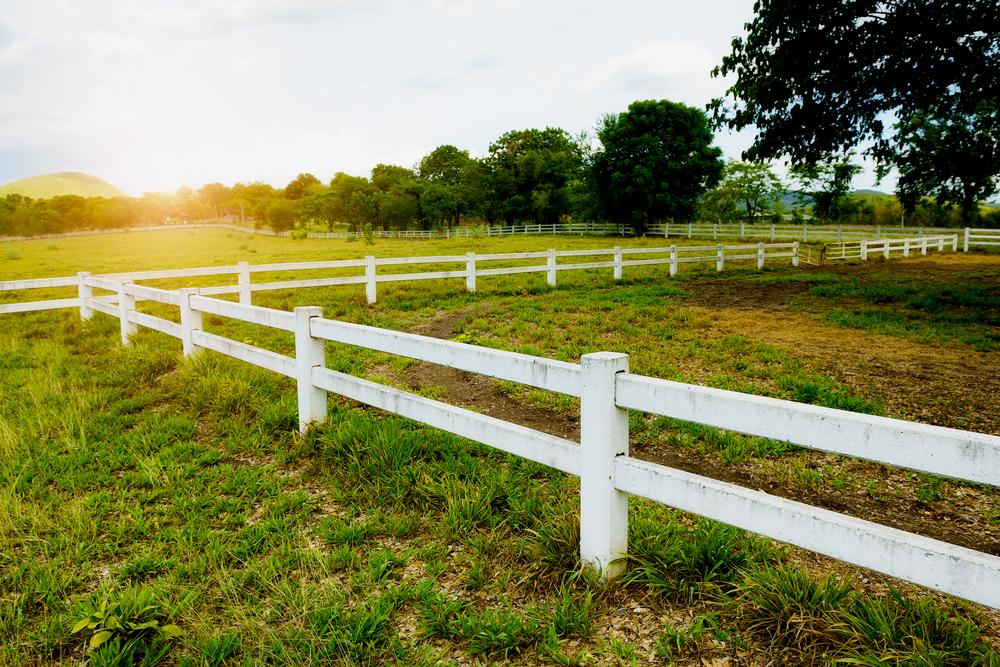
What is the difference between a lifestyle and a rural property?#
If you can mow the lawns by hand, you likely have a residential property. If you need a ride on, it’s lifestyle. Rural properties require a tractor.
This may seem flippant, but with no official parameters on when residential becomes lifestyle becomes rural, it’s a good rule of thumb.
Lifestyle blocks can range from sizable runs covered in trees and gullies to little hobby blocks for retired farmers, but the average is usually just under four hectares (10 acres).
The delights of grassroots New Zealand is often only 30 minutes’ drive from the city centres. Venture outside of the suburbs and you’ll come across delightful locales on the outskirts of town, which achieve the balance of town convenience and the feel of a rural environment.
For many, a lifestyle block entails the prospect of a better life for families, lots of fresh air and open spaces, and large gardens with plenty of land left over for free-range chickens, grazing horses, or a small flock of sheep.
And in the current real estate market, they are continuing to grow in appeal, with rural land around the outskirts of town centres a popular choice for this purpose. Across the country, the subdivision of this land is big business and will continue to be as our population expands and more people appreciate the benefits of more space.
Land covenants: a solution for when you subdivide land and want a say in the future around you.#
When looking to subdivide, the first thing you need to find out is if you can split land off your block and what the cost will be. There are numerous parties you can speak to, and locating someone with good area knowledge is vital to progress your ideas.
Once you have decided to go ahead, you need to give careful consideration to how you can protect and place restrictions on the use of the land you are selling. Arranging for “land covenants” to be registered against the titles of farm and lifestyle blocks is a straightforward and legal way to place a “covenant”, which is a promise recorded in a deed.
Land covenants outline what can and can’t be done on the land. For example, the covenants can state that the owners of the subdivided lifestyle blocks cannot object to farming operations, or are unable to erect a dwelling on certain ridge lines.
As the vendor, you can either register the land covenants against all the titles before you sell, or arrange to register them at the time the lifestyle blocks are transferred to the purchasers. If the land covenants are registered at the time of transference, you need to include details in the sale and purchase agreement.
Anyone who becomes the owner of a lifestyle block is bound by the land covenants. If they do not comply, the owner of the neighbouring land can take legal action to enforce them. Land covenants can also state what could happen if they are not complied with. For example, if the land covenant states any house to be built on the lifestyle block has to be a certain size and made of certain materials, the owner can be compelled to remove a house that does not comply. The owner can also be liable to pay a fixed amount.
If the original owner sells, the covenants are transferrable, and the new owner of the farm can enforce them.
It is recommended that you get expert advice from parties with experience in subdivision in the early stages of your investigations.
Want more property insights? #
- Market Insights: Search by suburb to see median sale prices, popular property types and trends over time.
- Switch your search to Sold to browse all residential properties that have sold — not just recent sales. See the most recent sale price and estimated current market value.