Beyond the pump: the fuel crisis isn't only about petrol, it's about how we live
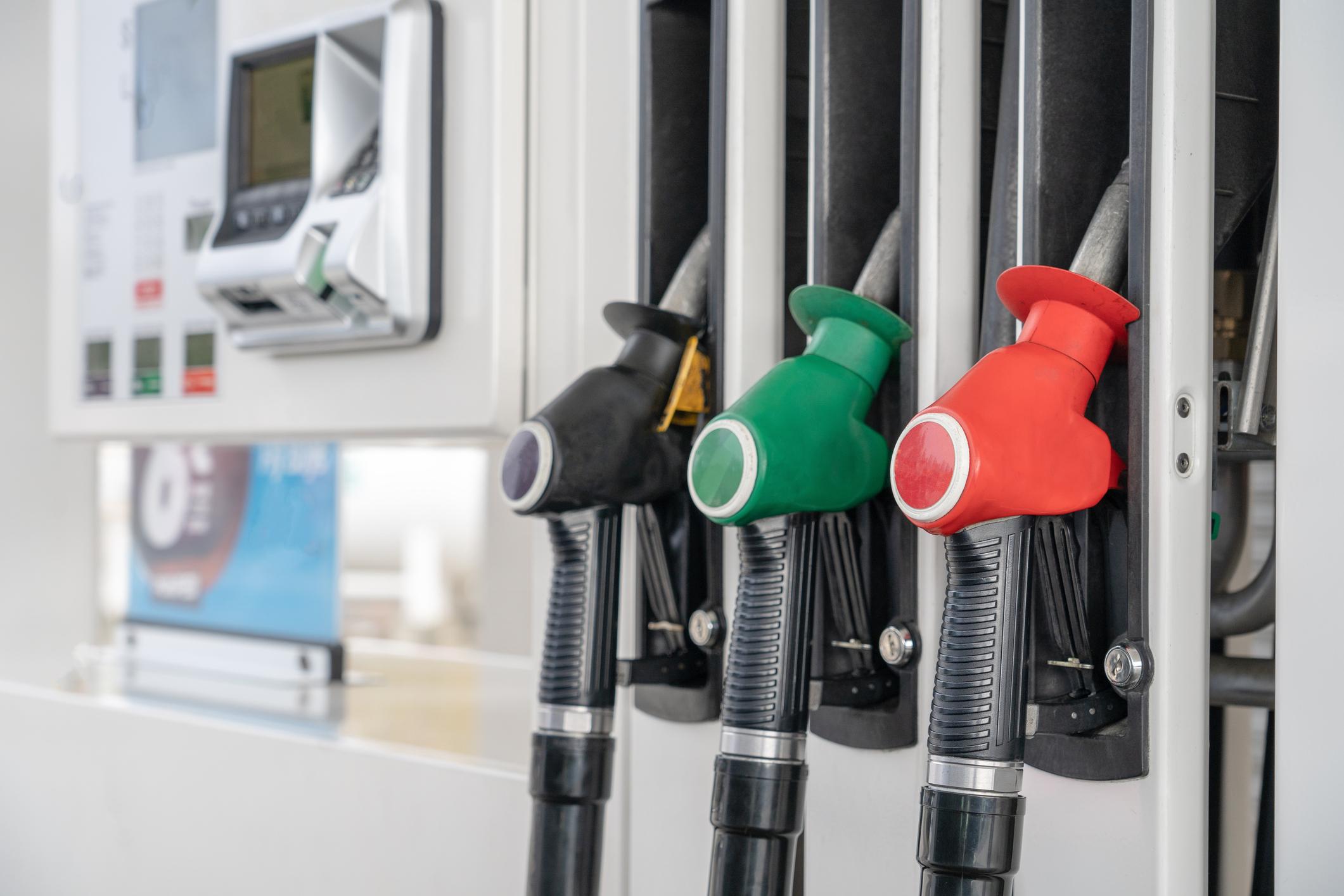
New Zealand's response to the fuel crisis has been predictable: subsidies, strategic reserves, and a collective clenching of teeth at the pump. But maybe the real problem isn't the cost of a tank.
For many households, fuel is no longer a discretionary expense. The daily commute is essential, the school run is non-negotiable, and the weekly shop isn't as local as we'd like to think. Fuel has become the cost of participation in a life built around distance.
But that distance didn't happen by accident.
Are house prices part of the picture?
Over the past few decades, housing affordability has pushed people further from city centres, inner suburbs, and places of work. For first-home buyers especially, the equation has often been stark: compromise on location or miss out altogether. So, Kiwis adjusted, buying where they could afford, accepting longer drive times, and restructuring daily life around the commute.
Individually, those decisions are rational. Collectively, they've reshaped how we live.
How does the cost of petrol impact where we live?
It's a dynamic that feels familiar. Covid-19 forced us, almost overnight, to rethink the relationship between work and place. The fuel crisis could play a similar role – nudging more interest in EVs, renewed conversations about hybrid work, and a quiet reassessment of how often we really need to be somewhere in person.
But switching from petrol to electric changes the cost, not the structure. Distance is still distance.
The housing conversation has long centred on affordability: what does it take to get in? Perhaps it's time to also ask: what does it take to sustain the life that comes with it?
Read the full story here: thepost.co.nz/nz-news/360981885/beyond-pump-fuel-crisis-isnt-only-about-petrol-its-about-how-we-live