Will 'shoebox' apartments solve New Zealand's housing crisis – or create new problems?
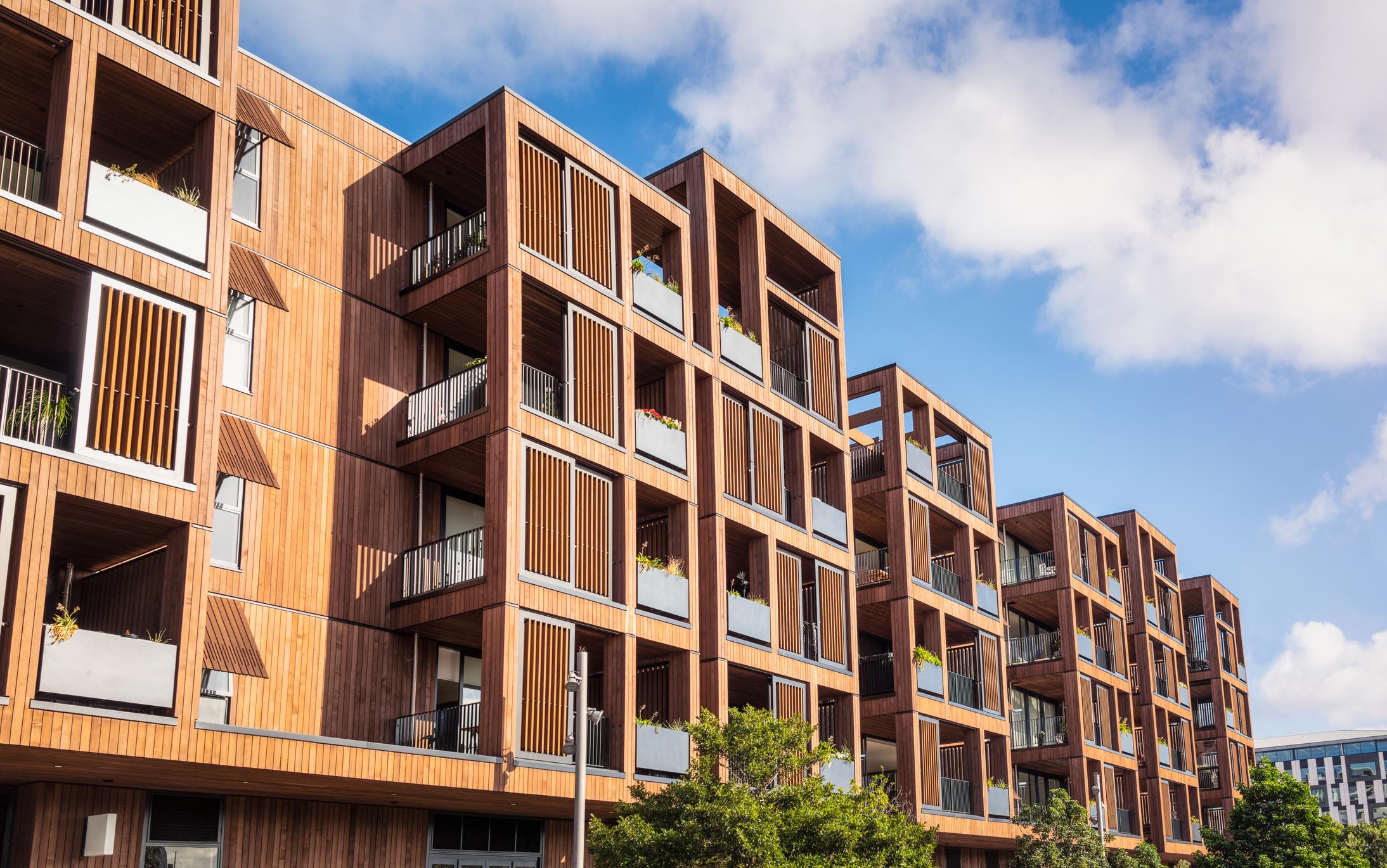
The Government is considering changes that could remove minimum apartment sizes and mandatory features such as balconies. The proposal has sparked debate about whether smaller, more affordable apartments could help ease New Zealand's housing shortage, or whether they risk creating low-quality homes that don't stand the test of time.
While headlines about "shoebox apartments" have raised concern, our GM of Customer, Vanessa Williams, says the reality is likely more nuanced.
Smaller apartments don't automatically mean more apartments#
Although developers may gain greater flexibility if minimum size rules are removed, Williams says market demand will ultimately determine what gets built.
"Developers still need to build properties that people want to buy, rent and live in. If an apartment is significantly smaller than comparable options, it may simply be harder to sell or rent."
realestate.co.nz data from the past decade also suggests apartment sizes have remained relatively stable, suggesting that despite ongoing conversations about housing density and affordability, there's an average size that the market is comfortable with.
Could smaller homes improve affordability?#
For some buyers, particularly students, singles and first-home buyers, smaller apartments may offer an entry point into home ownership that would otherwise be out of reach.
While the term "shoebox apartment" is often used negatively, Williams says smaller homes can play an important role in providing affordable housing options in high-demand urban areas.
"They create opportunities for people whose budgets are stretched, especially those who prioritise location and lifestyle over space."
In major centres, apartment living already appeals to people who want to live close to work, study, public transport and city amenities without the cost of maintaining a standalone home.
New Zealand's relationship with property is changing#
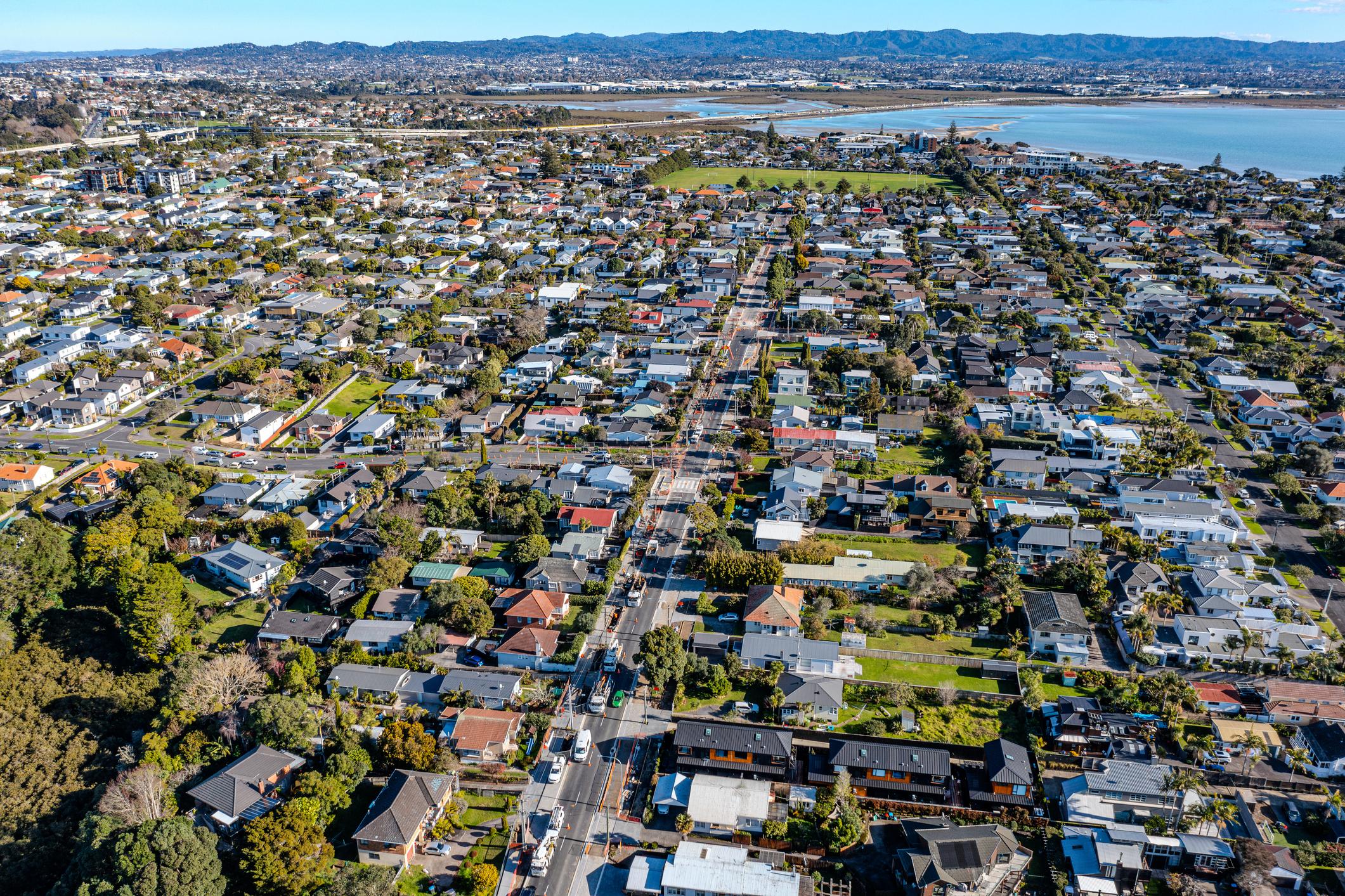
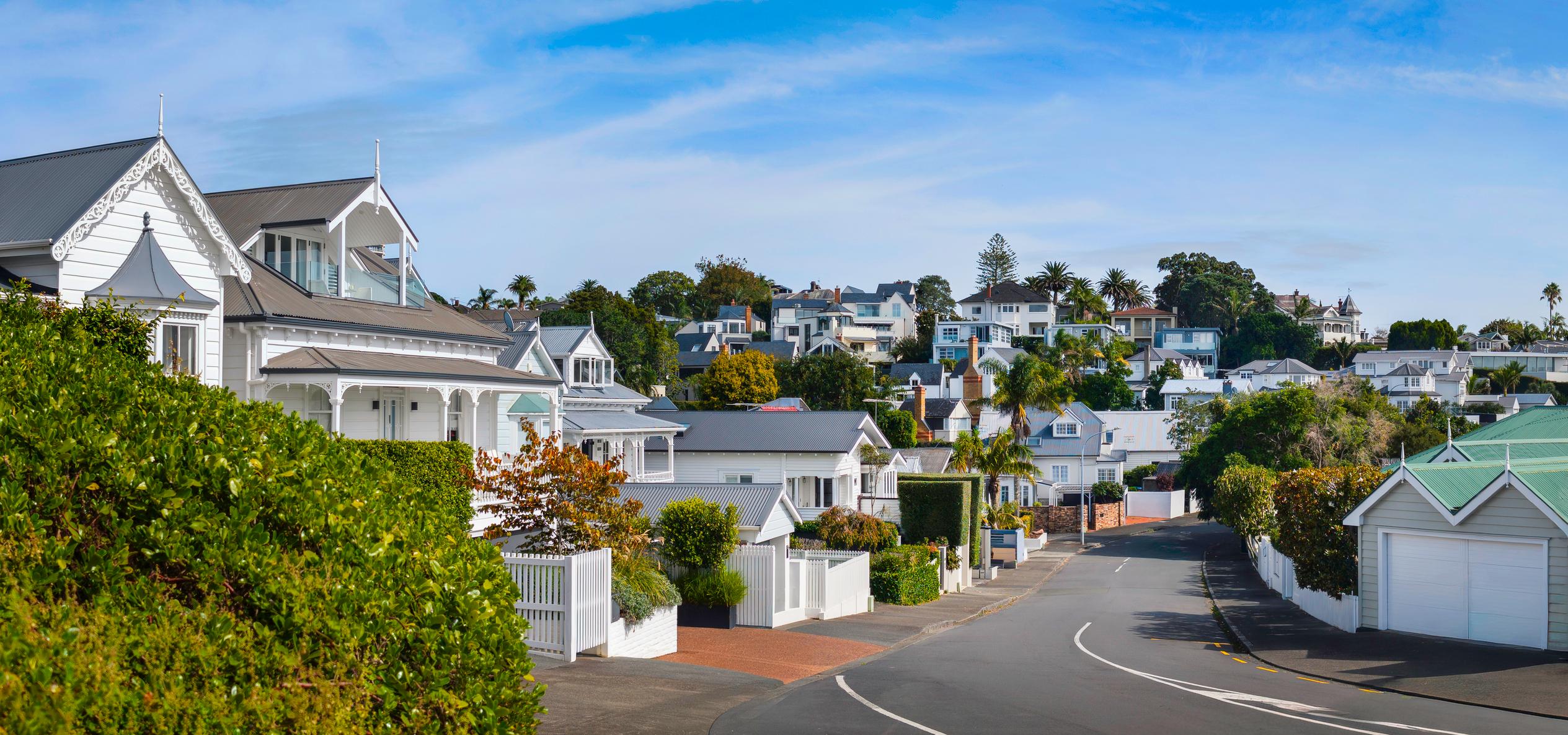
For generations, the Kiwi dream centred on a standalone home with a backyard. But changing lifestyles, growing cities and increasing housing costs are reshaping expectations.
"We still have some attachment to the quarter-acre dream, but our lives have changed," Williams says.
"People are spending more time out of the home, working differently and looking for lock-up-and-leave lifestyles."
While apartments currently make up less than 5% of New Zealand's housing stock, international experience suggests attitudes can shift over time. In many large cities around the world, apartment living is considered a normal long-term housing option for individuals and families alike.
Williams says as New Zealand becomes increasingly urbanised and multicultural, demand for a wider range of housing types will continue to grow.
The lending challenge#
One important consideration is finance.
Banks have historically been more cautious about lending on very small apartments, particularly those under around 40–45 square metres. In some cases, buyers may face stricter lending criteria or struggle to secure finance altogether.
That can also affect future resale value.
"If fewer buyers can get lending, you potentially reduce the pool of people who can purchase the property from you later on," Williams says.
Anyone considering a small apartment should discuss lending requirements with their bank early and understand how financing restrictions could impact both affordability and future resale opportunities.
Apartment living isn't one-size-fits-all#
Apartment living can work exceptionally well for some people and less well for others. Housing needs often change throughout life, from student living and first-home ownership through to family life and retirement.
For some, a compact apartment close to work, restaurants and entertainment may be exactly what's needed. For others, space, outdoor areas and room for a growing family will remain priorities.
The key, Williams says, is understanding the trade-offs and doing thorough research before making a purchase.
"Apartment living has a lot of benefits, but it's important to go in with your eyes open and understand the differences compared with buying a townhouse or standalone home."
Where to from here?#
Even if minimum apartment size requirements are removed, any new developments would still need to meet New Zealand's building standards around health, safety and liveability.
The debate is ultimately about finding the right balance between affordability and quality.
Smaller apartments may not solve the housing crisis on their own, but they could provide another housing option for people seeking a more affordable way to live in New Zealand's growing cities.
Listen to the full discussion
This article is based on a conversation between Frances Cook and realestate.co.nz's Vanessa Williams on the Making Cents with Frances Cook podcast.
Listen to the episode: Will Tiny Apartments Solve NZ's Housing Crisis – Or Make It Worse?