Buying vs. renting in New Zealand: Which makes more sense right now?
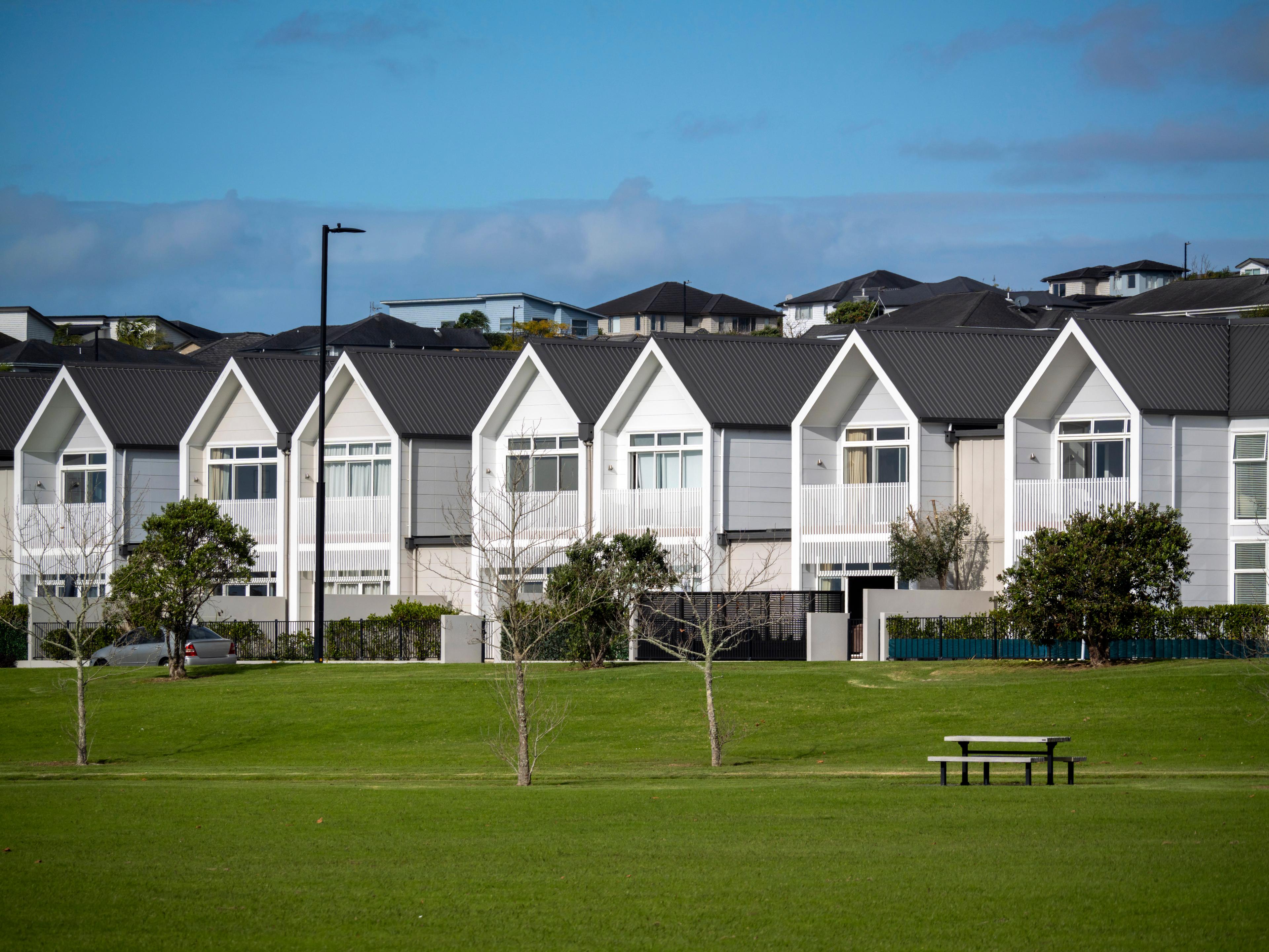
Deciding whether to buy or rent in New Zealand is a major financial choice, and the right path depends on personal circumstances. #
Buying can offer long-term stability and the opportunity to build your equity with an asset, while renting provides flexibility with fewer upfront costs and responsibilities.
This guide explores the key considerations for both buying and renting. It's important to remember there is no right answer, but we will examine current market data to provide a clear, informative overview and help you weigh up the specific circumstances of your life.
The case for buying a home #
For many New Zealanders, owning a home is a significant life goal. It can provide a sense of security, and for many New Zealanders it will be one of their biggest financial assets.
Building an asset over time
A primary reason for buying is the opportunity to build equity. With each mortgage payment, a portion goes toward reducing the loan principal, which increases the owner's stake in the property. This process allows homeowners to build equity over time as they pay down their mortgage. As property values may change, this equity can become a significant financial asset.
Historically, residential property in New Zealand has been a strong long-term asset. Recent analysis by realestate.co.nz shows average asking prices increased in every region over the past decade, but the common belief that property values double every 10 years didn’t hold true across the board.
While past performance does not predict future results, building equity remains a key motivation for homeownership.
Stability and personal freedom
Owning a home provides stability and control over your living environment. Homeowners are free to make cosmetic changes, renovate, and landscape without seeking a landlord's approval. This autonomy allows them to create a space that suits their personal needs and tastes, free from the uncertainty of tenancy renewals or the possibility of being asked to move.
The challenges of buying right now #
While the benefits are clear, the path to homeownership in New Zealand is not always easy, particularly for first-home buyers.
The affordability factor
Affordability remains a challenge in the current market. While the national average asking price has decreased over recent years (the August 2026 figure was down by 1.8% year-on-year, according to realestate.co.nz data), buying a home still represents a significant financial commitment for most New Zealanders.
Interest rates are also an important factor, as mortgage repayments can take up a significant portion of household income, particularly for first-home buyers.
Buying a home requires a significant deposit, a secure income and careful budgeting, particularly when a large share of household earnings may need to go towards housing costs.
Key barriers for buyers:
- Securing a deposit: Saving a 10-20% deposit remains a substantial obstacle. For a home at the national median value, this can require savings of over $100,000.
- Repayments in a high-interest-rate environment: Elevated interest rates directly increase the cost of borrowing, making monthly mortgage payments significantly higher than in previous years.
- Ongoing costs: Homeownership includes costs beyond the mortgage that renters do not cover, such as council rates, property insurance, and funds for maintenance and repairs.
The case for renting #
Renting is often framed as a temporary step, but for many people, it is a practical choice that aligns with their financial situation and lifestyle.
Flexibility and freedom
The main advantage of renting is flexibility. Renters can relocate for new job opportunities or personal reasons with relative ease. This freedom is well-suited for those with dynamic careers or who are not yet settled in one location.
Renting also provides access to neighbourhoods where buying may be unaffordable. For clear information on the rights and responsibilities of tenants and landlords, Tenancy Services provides official government resources.
Lower upfront costs and financial predictability
Renting involves a much smaller upfront financial commitment than buying a home. The main costs are typically a bond (usually equivalent to four weeks' rent) and an upfront rent payment. There are no large deposits to save for, legal fees, or property valuation costs involved.
Monthly outgoings can also be more predictable. Responsibility for fixing major issues, such as a broken appliance or a leaking roof, generally falls to the landlord. This protects tenants from the large, unexpected repair bills that homeowners must cover.
The downsides of renting #
Renting also has its disadvantages, primarily around the lack of security and financial return.
- No equity growth: Rent payments do not build personal equity. The money paid goes to the landlord.
- Lack of control: Tenants have limited ability to modify a property to suit their needs and face the possibility of periodic rent increases or having the property sold.
- Market-driven rent increases: While rents are subject to regulations, they have steadily risen across much of New Zealand, which can impact a tenant's budget over time.
So, to buy or rent? #
There is no single correct answer, but this checklist can help you assess which option may better suit your personal situation.
Consider buying if...
- You have a stable, secure income and can service a mortgage at current interest rates.
- You have saved a 10-20% deposit and have an emergency fund for unexpected costs.
- You plan to stay in the same location for at least the medium term.
- You value stability and want the freedom to personalise and maintain your own home.
- Your career is well-established.
Consider renting if...
- Your income is less predictable, or you prefer lower fixed monthly housing costs.
- You are still building your savings or prefer to use your capital for other investments.
- You may need to relocate for work or personal reasons in the next few years.
- You value flexibility and prefer not to be responsible for property maintenance and repairs.
- Your career is dynamic and may present opportunities in different locations.
Frequently asked questions (FAQ) #
Is it cheaper to rent or buy?
On a monthly cash flow basis, renting can often be cheaper than paying a mortgage on a comparable property, especially given current interest rates. However, a portion of a mortgage payment goes towards building equity in an asset, a financial benefit that renting does not provide.
Is now a good time to buy a house in New Zealand?
Market conditions present a mixed outlook. Softer prices and less competition are features of the current market; however, these are paired with ongoing affordability challenges. The right time to buy depends entirely on an individual's financial preparedness, job security, and long-term plans.
How much deposit do I need to buy a house?
Most banks require a deposit of at least 20% of the property's purchase price. Some lenders may offer loans with lower deposits, but this often requires meeting stricter lending criteria and may involve additional costs.