Why windows, doors and window treatments shape how a home really feels
Before renovating, building or preparing a home for sale, homeowners should think carefully about how windows, doors and window treatments affect comfort, light, warmth, privacy and everyday liveability.
It’s not just about how a home looks#
When homeowners think about improving the way a home looks and feels, attention often goes first to the more obvious design choices. Kitchens, bathrooms, bench-tops, flooring, furniture, paint colours and outdoor entertaining areas tend to dominate the conversation because they are visible, tactile and easy to imagine changing.
But some of the most important decisions in a home are the ones people do not always notice until something is not working. A room that overheats in summer, a living area that loses warmth in winter, a bedroom that feels exposed to the street, or a west-facing lounge that becomes uncomfortable in the afternoon can all affect how a home feels every day. The same is true of a large sliding door that looks beautiful but feels heavy, draughty or difficult to use, or a window that brings in light but also creates glare, condensation or privacy problems.
Windows, doors and window treatments may not always be the first things people fall in love with, but they quietly shape the way a home functions, performs and supports everyday living.
Start with how the room needs to work#
For Janene Gillon, owner of Weathermaster Auckland, this is where many homeowners begin to understand the difference between how a room looks and how it actually works. With decades of experience across window furnishings, manufacturing, installation and client advice, she sees window treatments not simply as a finishing touch, but as part of the comfort system of a home.
As she puts it, people often want “the wow” within their budget, but the real outcome is about creating a lovely space that works for them. That can include beauty, softness and presentation, with curtains remaining popular because of their tactile quality and the way they bring softness and flow to a room. Shutters have also become a timeless option across many property styles. But behind the look, there is a much more practical question: what does this room need to do?
A bedroom may need darkness, privacy and warmth. A living room may need glare control without losing the outlook. A kitchen may need something durable and easy to clean. A home office may need filtered light that makes the room more comfortable during the day. A street-facing room may need privacy without making the interior feel closed in. This is why choosing window treatments purely by appearance can be limiting. The right solution needs to respond to sun, orientation, privacy, insulation, room use and the way the household actually lives.
Bringing outdoor living into every season#
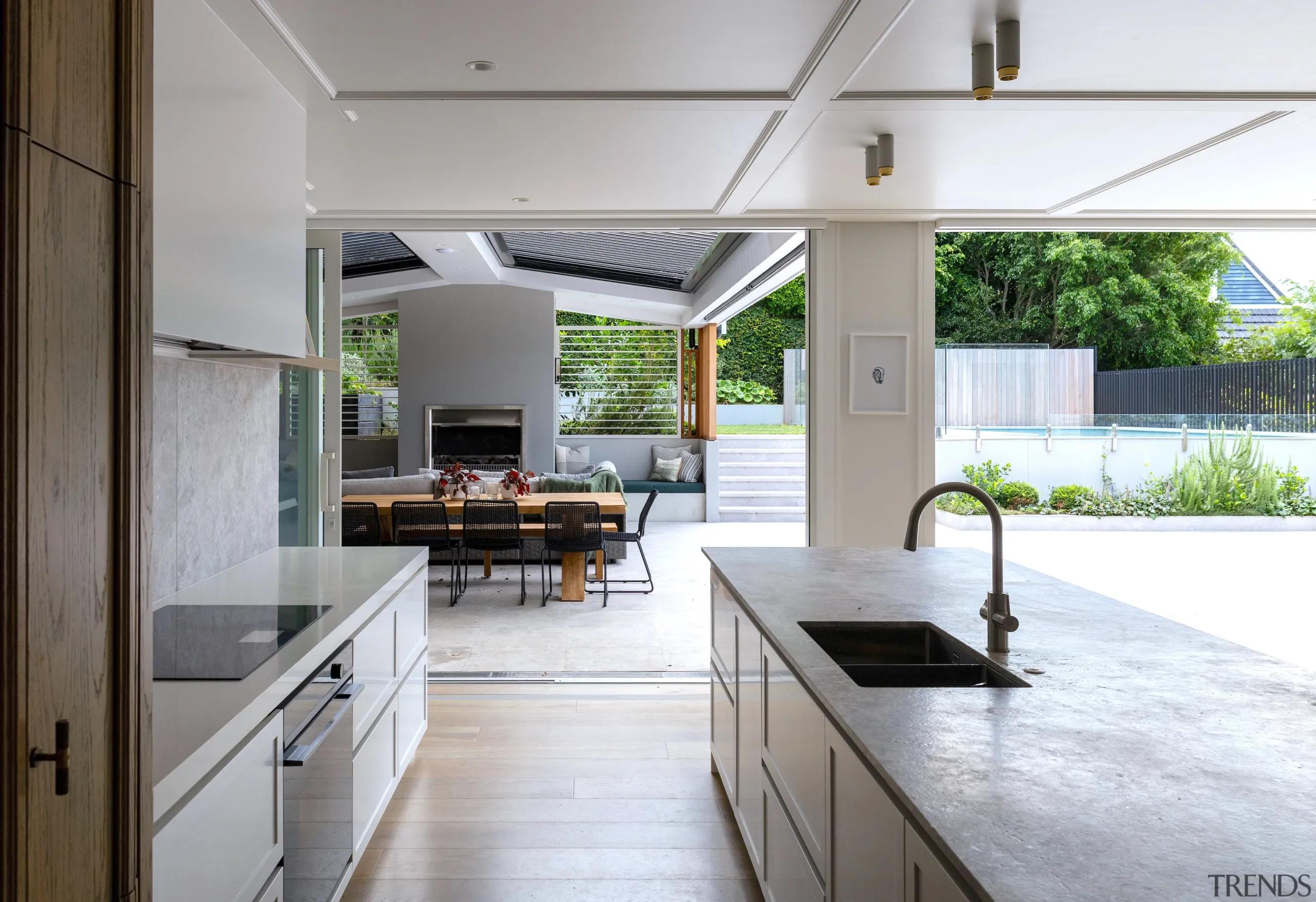
The same thinking applies outside the home. Janene says one of the biggest changes she has seen is the rise of outdoor living as a year-round consideration. Homeowners want indoor-outdoor flow, but increasingly they also want to enclose, shade or protect outdoor areas so they can be used more comfortably across different seasons.
That shift has become more important as people expect their decks, courtyards and covered outdoor spaces to behave more like extensions of the home. A folding arm awning may provide sun shelter or protection from light drizzle, while outdoor screens can help enclose a space, reduce wind and create a more usable outdoor room. With heaters and shelter, a space that may once have been used only in summer can become part of the home’s everyday living environment.
This is a particularly New Zealand way of thinking about the home. We value outdoor connection, but our weather often requires more thought than simply adding large doors and hoping the space works. That is where the window and door decisions become just as important.
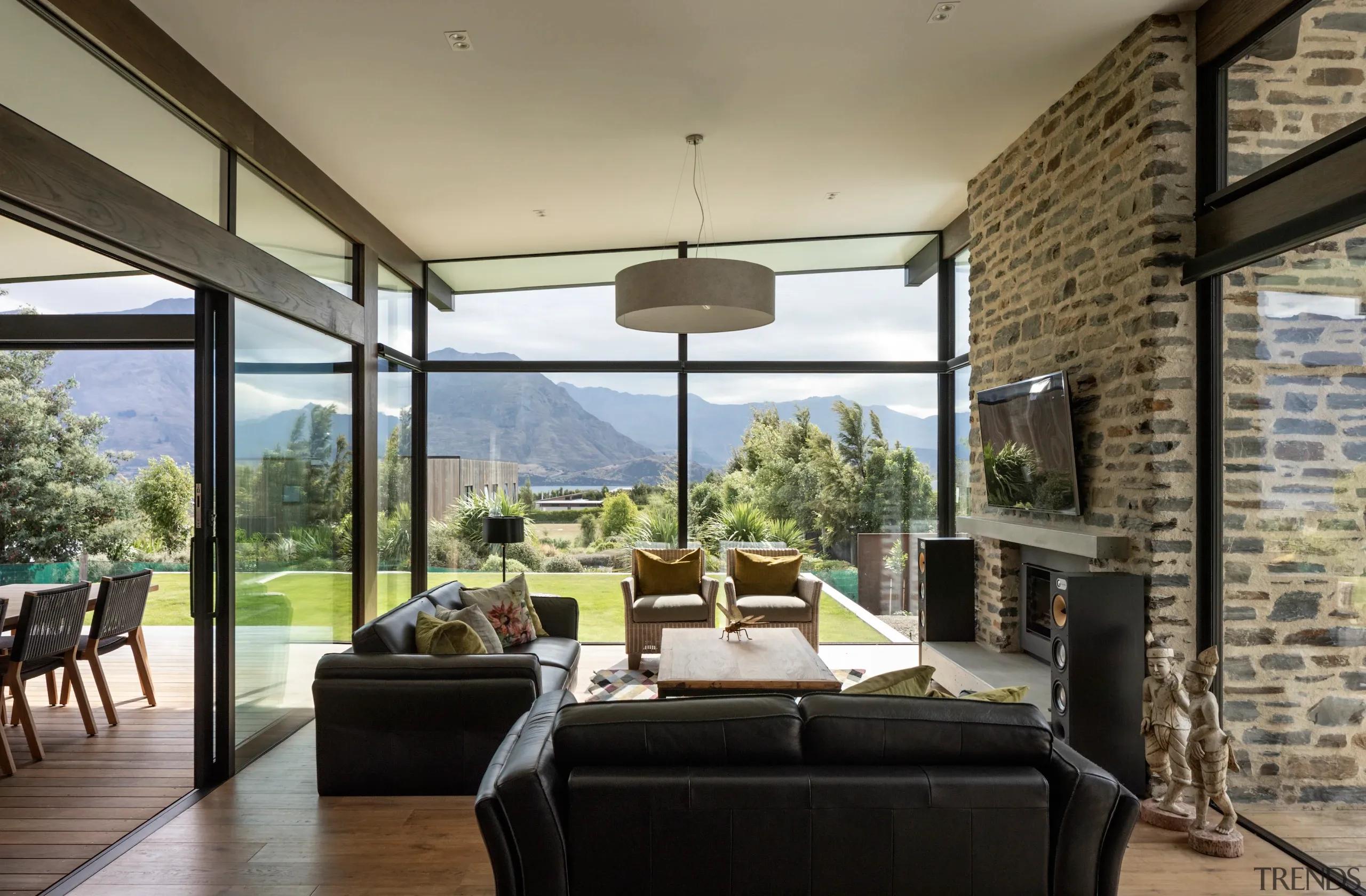
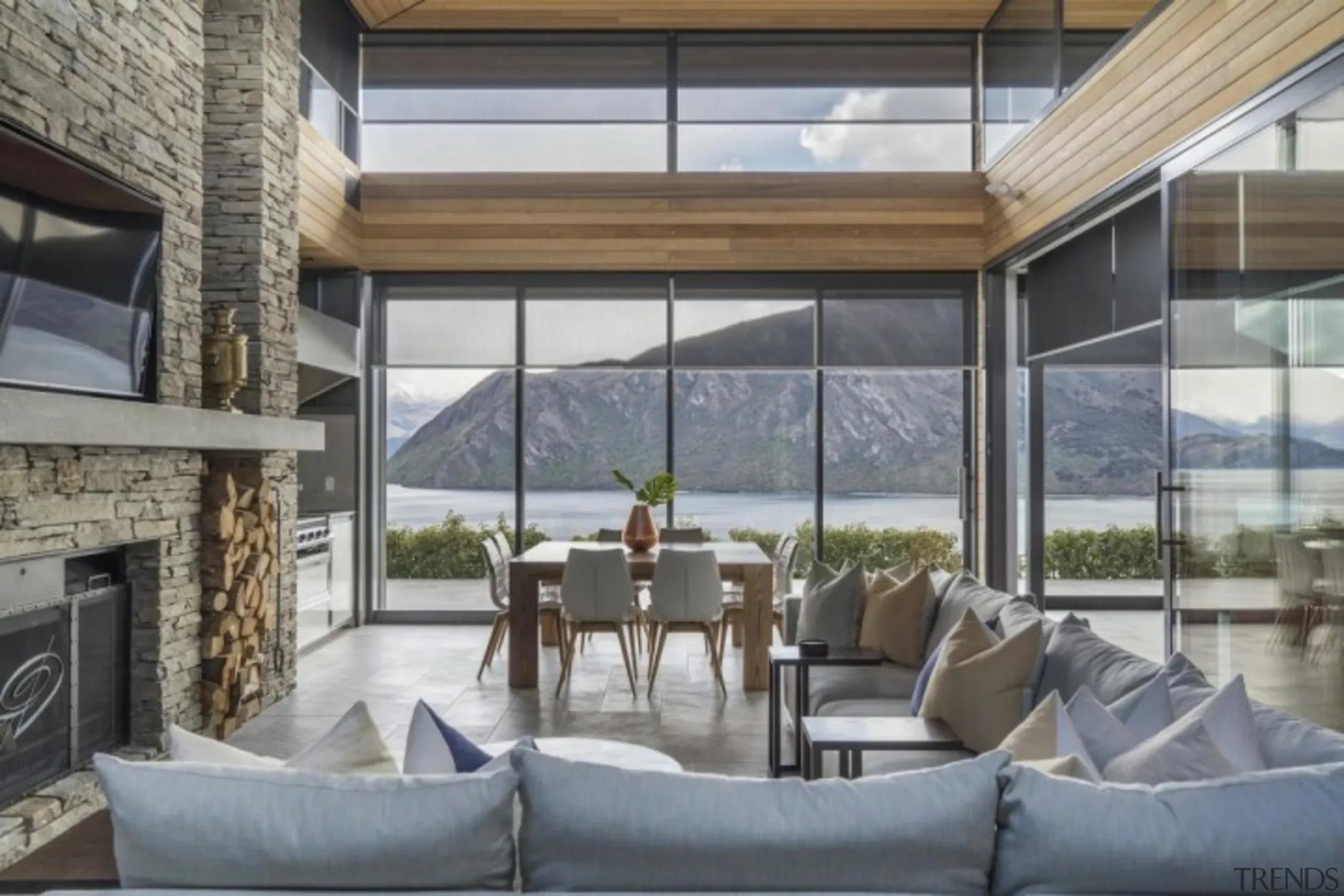
Photo supplied by Altus Window Systems
Choosing the right windows and doors#
Haydon Rogers, product specifications manager at Altus Window Systems, works closely with product development teams and architects to help match window and door systems to the homes being designed. He says people increasingly want larger glazed areas, including sliding doors around three metres or more, but those choices need to be considered carefully.
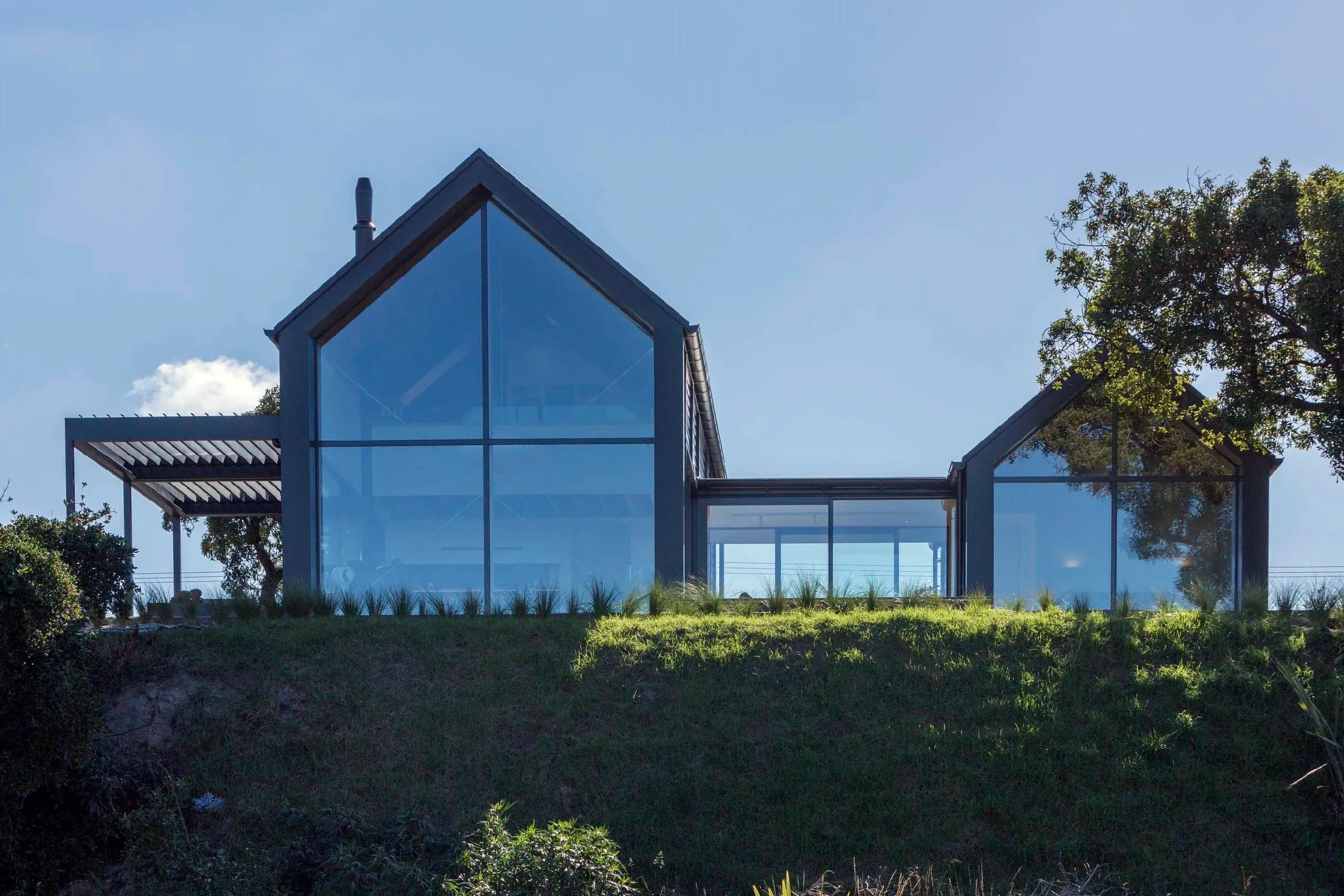
Large glass openings can transform the way a home connects to outdoor living. They can bring in light, open a living space to a deck or garden, and create the sense of generosity many homeowners want. But they also place more demand on the window and door system itself. The larger the opening, the more important strength, performance, usability and product selection become. A door needs to look good, but it also needs to slide or open well, manage weather exposure, support security and suit the way the home will be lived in over time.
Haydon makes the point that windows and doors are often taken for granted until they do not work properly. When a door does not open or close well, suddenly everyone notices it. That is one of the reasons early planning matters.
Early planning makes all the difference#
For renovators and new-build homeowners, window and door choices should not be treated as late-stage details. They are part of the architecture, the building envelope and the daily comfort of the home. The same applies to window treatments. If blinds, shutters, curtains, screens or automation are considered too late, the result may not work as well with the framing, handles, furniture layout, room function or outdoor connection.
A well-resolved home considers these elements together. If a living room has a large west-facing slider, the door system, glazing, shading and window treatments all need to support the way that space will be used. If a bedroom faces the street, privacy and light control need to be addressed. If a home is in a colder part of the country, thermal performance may become a greater priority. If it is in a windy or exposed environment, the practical operation of doors and openings matters.
Designing for New Zealand conditions#
Haydon notes that different parts of New Zealand can call for different decisions. In colder southern climates, triple glazing and thermally improved systems may be considered more often because homeowners are trying to keep warmth inside and reduce condensation. In exposed conditions, product selection needs to take account of wind, weather and day-to-day practicality.
A hinged door or bifold may technically perform in testing, but that does not always mean it is the most practical choice for every exposed location. In a windy environment, for example, a door that catches the wind may be frustrating or even vulnerable to damage. Good design is not only about what is possible. It is about what will work well in real life.
Why compliance and testing matter#
This is also why compliance, testing and local suitability matter. An Altus Trendsideas article on window and door specification highlights concerns around imported systems and incomplete or misleading compliance documentation. The key point for homeowners is simple: windows and doors are not decorative extras. They are a critical part of the building envelope. They need to resist water penetration, support durability, perform structurally and contribute to warm, dry, energy-efficient homes.
That does not mean every homeowner needs to become a technical expert. But it does mean window and door decisions should be made with proper advice, clear documentation and products suited to New Zealand conditions. For many homeowners, the visible finish is only one part of the decision. The less visible questions may matter more over time.
Will the system suit the climate? Has it been tested properly? Is there documentation to support compliance? Is there local backup if something needs attention later? Will the product still feel good to use in five, 10 or 20 years? Does it support the way the home needs to perform? These are the kinds of questions that can help homeowners make more confident long-term decisions.
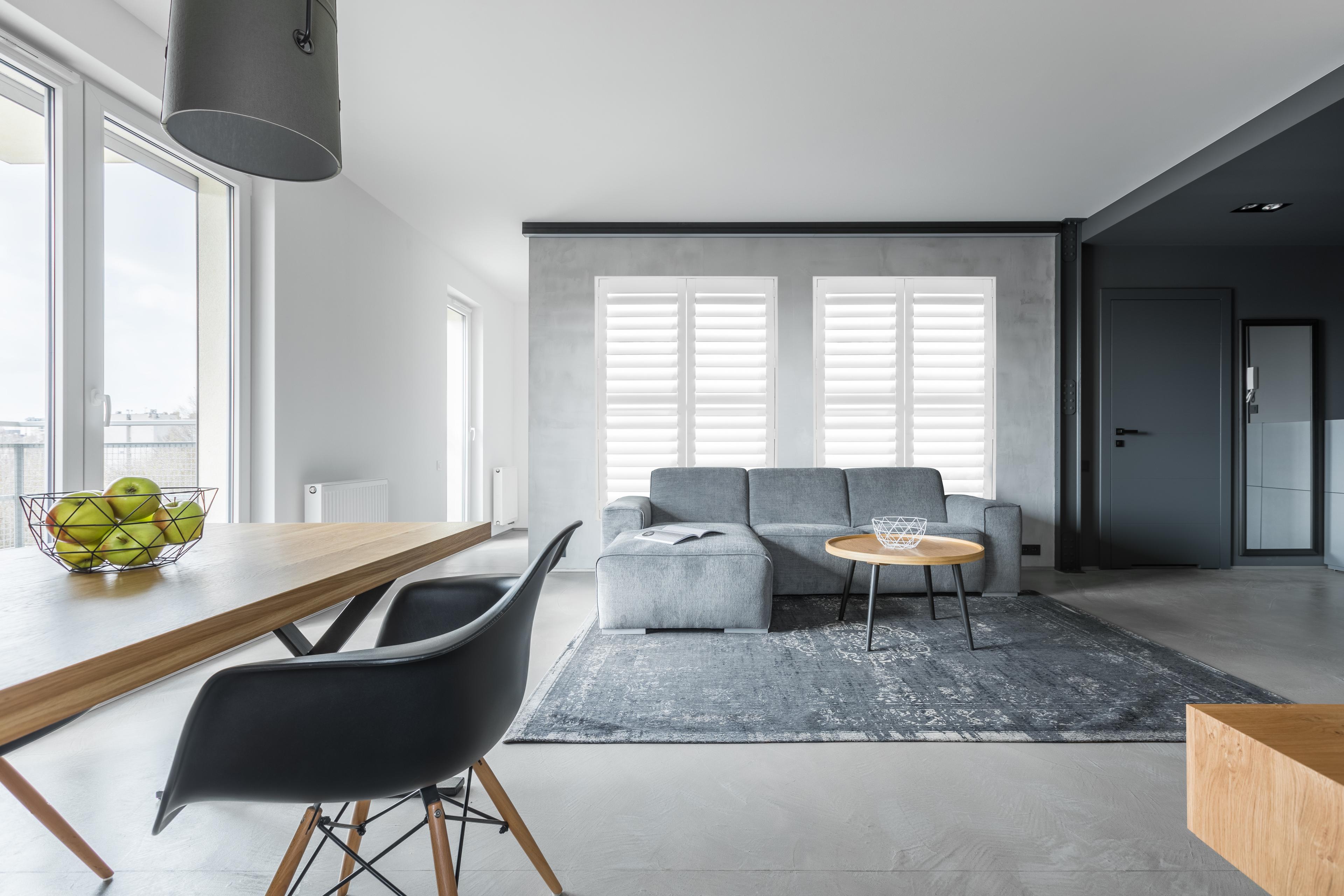
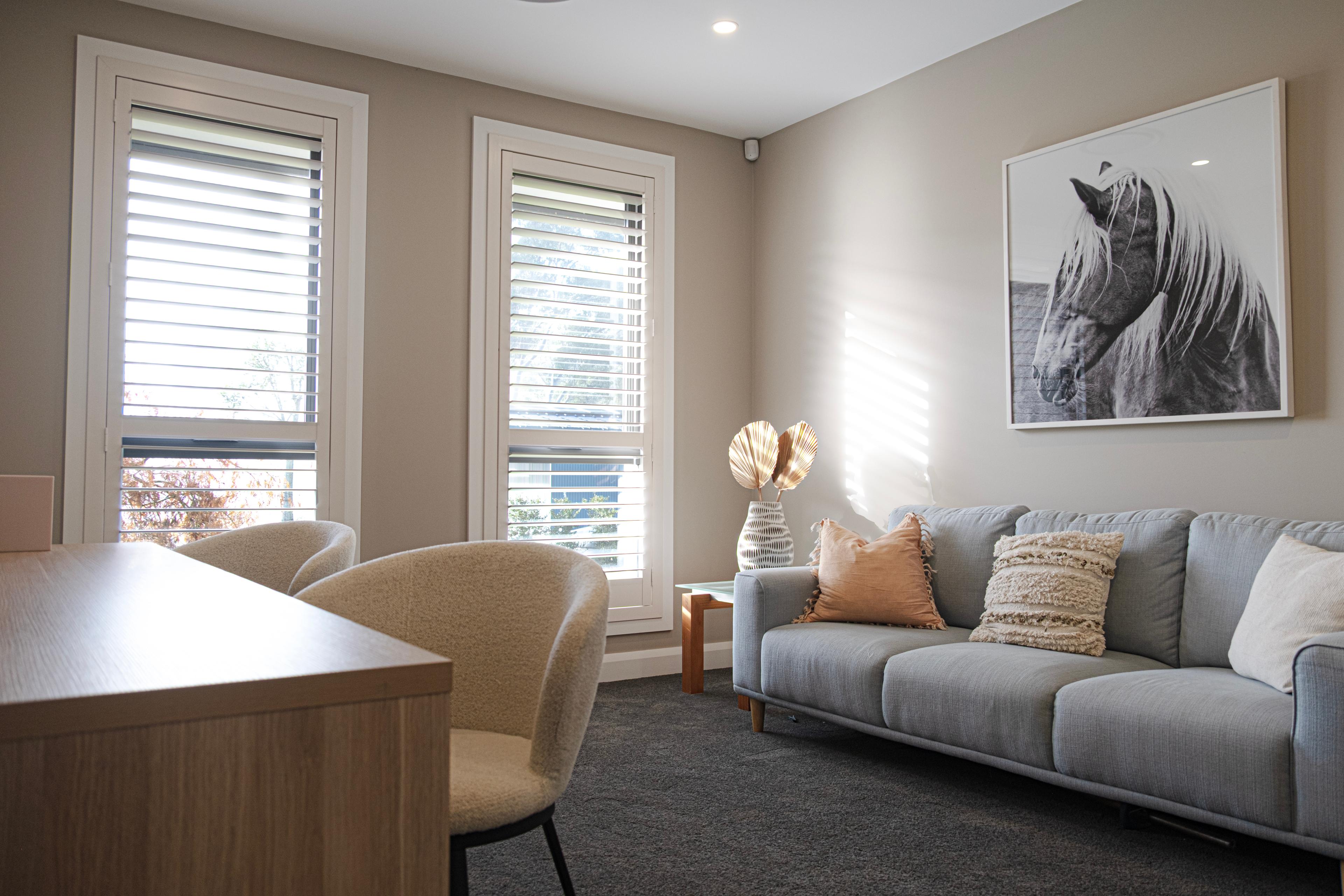
Photo supplied by Weathermaster
Smarter window treatments for comfort and safety#
The same long-term thinking applies to window treatments. A beautiful blind or curtain can add softness, texture and style, but it can also support insulation, light control, safety and ease of use. Janene points to honeycomb blinds as one option for clients wanting insulation, describing them as working “like having double glazing at your window.” Their cell structure helps manage heat transfer, supporting warmth in winter and cooling in summer.
Automation is another area where comfort and practicality meet. Motorised blinds or awnings can feel like a luxury, but they can also make difficult-to-reach windows easier to manage, improve child safety by reducing cords, and allow homeowners to control light and privacy more easily throughout the day.
Safety is especially important in homes with children. Janene notes that cord loops are the issue to be aware of, and that there are child-friendly options such as motorisation, wand control, hand-lift systems and chain tensioners that help make installations safer. These details may not be as exciting as choosing a colour palette, but they can have a significant effect on how comfortable and safe a home feels.
Preparing your home for sale#
For people preparing a home for sale, these decisions can also influence buyer perception. A home that feels too hot, too dark, too exposed or difficult to open up to the outdoors may raise practical concerns, even if the presentation is strong. By contrast, a home with well-managed light, privacy, warmth and indoor-outdoor connection can feel easier to live in from the moment a buyer walks through.
That does not mean every home needs new windows, doors, shutters or automated blinds before going to market. But it does suggest that homeowners should pay attention to how the home feels during the inspection experience. Is the afternoon sun harsh? Are the bedrooms private? Does the outdoor area feel usable? Do doors move easily? Does the living room feel warm, bright and connected? Are window coverings helping the home present well, or making spaces feel dated, dark or poorly resolved?
For buyers, these same questions can help reveal what may need attention after purchase. Sometimes window treatments can be updated relatively easily to improve comfort. In other cases, the windows and doors themselves may be part of a larger renovation or performance upgrade. The key is to understand that these elements are not separate from how the home works. They are central to it.
A well-designed home is not only about the rooms themselves. It is about how those rooms respond to light, air, temperature, privacy, view, movement and connection. Windows, doors and window treatments sit at the centre of those experiences. They determine how morning light enters a bedroom, how a kitchen opens to a deck, how a living room feels on a cold evening, how much privacy a family has from the street, and whether an outdoor area becomes a space people genuinely use.
The long-term view#
The best choices are often the ones that almost disappear into everyday life. The door slides easily. The room is bright but not glaring. The outdoor area feels sheltered. The bedroom is private. The home stays warmer. The window covering suits both the architecture and the way the room is used. That is when a home feels resolved.
For homeowners renovating, building, buying or preparing to sell, the lesson is worth remembering. Windows, doors and window treatments are not just finishing details. They are part of the way a home performs, protects, presents and supports daily life. Get them right, and the home looks better. It feels better.
To learn more about windows, doors and interior planning, top tips and more, visit the Trends Property Interior section, where you can read, look, watch and listen, including the Trends Property Insight Series podcast episodes with Haydon and Janene.