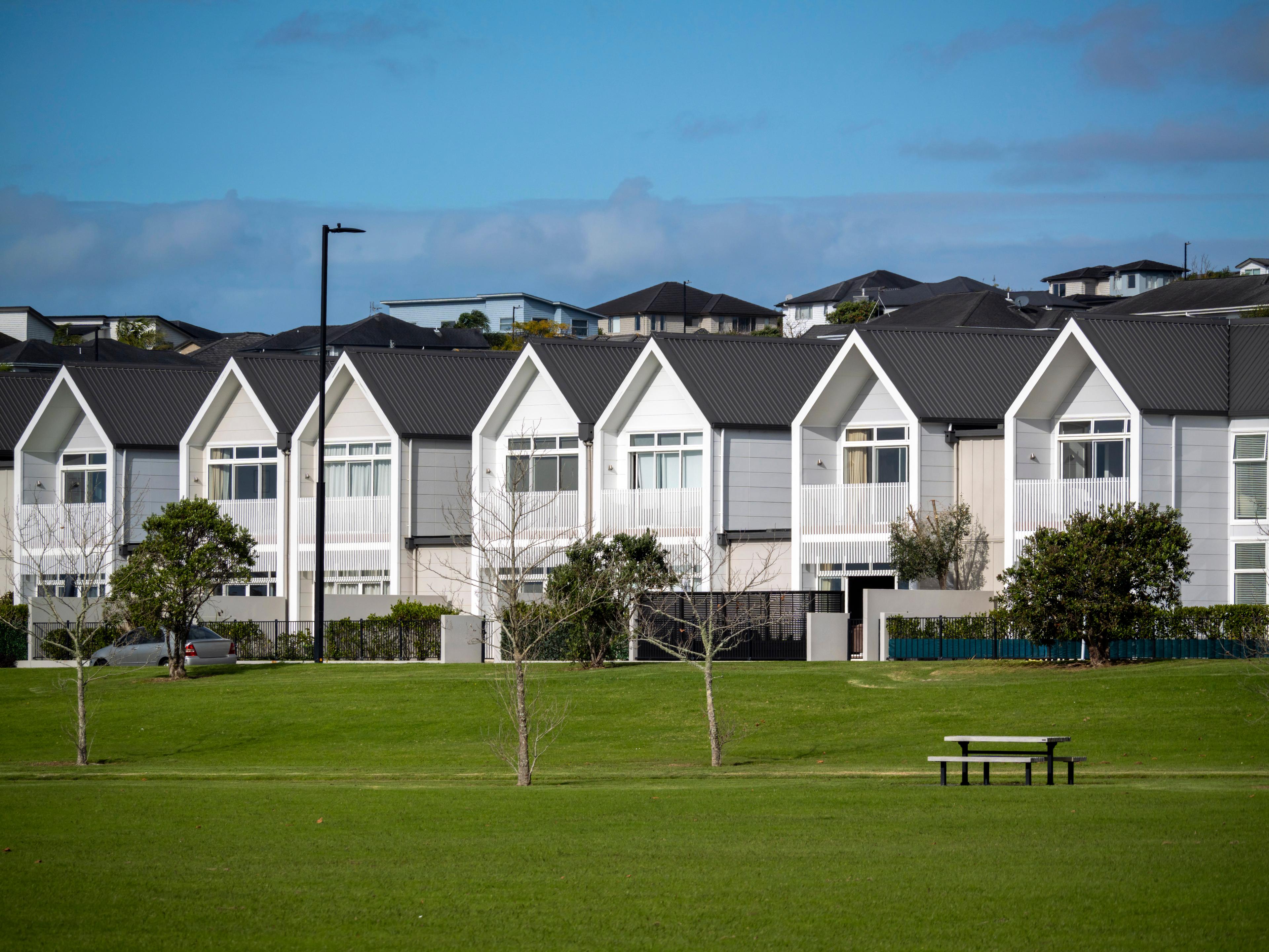
Listing a rental property privately (without the assistance of a property management professional) gives you direct control over the process, from advertising your property and choosing tenants to managing the tenancy.
This guide covers some frequently asked questions, including the key requirements and responsibilities to be aware of as a private landlord.
How do I advertise my private rental?#
Before listing your property, look at comparable rentals in your area to understand what similar homes are being advertised for. Consider your property’s location, size, condition, and features when deciding on an appropriate weekly rent.
Private landlords can list their properties on realestate.co.nz, alongside other online rental listing services in New Zealand.
What are the steps?#
You can create your rental property listing on realestate.co.nz in four easy steps.
Step 1: Log in or sign up to realestate.co.nz
Once you have successfully logged in to realestate.co.nz, click on your profile icon and select 'List a private rental' from the drop-down menu.
Step 2: Follow the prompts to create a new listing
You will need to provide personal details and information regarding the property you are listing.
Provide as many details about the property as you can, so potential tenants can get a good idea of whether it’s right for them. You can upload a maximum of 20 photos to showcase your property.
Step 3: Enter your payment details
Our standard price is $49.
Step 4: We'll check the listing for you
Once it’s been approved, it will be published to the site.
Payment will not go through until the listing has been approved and published on our site.
What should my rental listing include?#
A clear, informative listing helps prospective tenants understand whether your property is right for them before they enquire.
Consider including:
- High-quality photos: Use clear, well-lit photos showing the main rooms, exterior, and outdoor spaces.
- Key property details: Include the number of bedrooms and bathrooms, heating, parking, and other useful features.
- Location information: Highlight nearby amenities such as shops, parks, schools, and public transport.
- Rent and bond: Clearly state the weekly rent and bond requirements.
- Viewing information: Provide viewing times or explain how prospective tenants can arrange one.
How do I screen potential tenants?#
Once applications start coming in, you can carry out checks to help you choose a suitable tenant.
This may include checking references and, with the applicant’s consent, completing a credit check. When collecting and using applicants’ personal information, make sure you meet your obligations under the Privacy Act 2020.
When choosing a tenant, you must also comply with New Zealand’s anti-discrimination laws, which protect prospective tenants from unlawful discrimination.
What are the Healthy Homes Standards?#
Before advertising your property, take some time to make sure it’s ready for tenants. This includes checking that it meets New Zealand’s Healthy Homes Standards, which set minimum requirements for the quality and condition of rental properties.
All private rentals must meet the standards unless an exemption applies. New or renewed tenancy agreements must also include a signed statement detailing the property's current level of compliance.
The five standards cover:
- Heating: The main living room needs one or more qualifying fixed heaters with sufficient heating capacity.
- Insulation: Ceiling and underfloor insulation must meet the applicable requirements.
- Ventilation: Liveable spaces need an opening window or door, while kitchens and bathrooms also require appropriate extractor fans or qualifying ventilation systems.
- Moisture and drainage: Properties need adequate drainage, guttering and downpipes, and a ground moisture barrier where required.
- Draught stopping: Unreasonable gaps or holes that cause noticeable draughts must be blocked.
Do I need a professional to inspect my property to meet Healthy Homes Standards?#
A professional assessment isn't required, but it can be a useful way to check whether your property meets the Healthy Homes Standards.
You can assess compliance yourself using guidance from Tenancy Services, or seek professional advice if you’re unsure about any of the requirements or work that may be needed.
What is the Residential Tenancies Act?#
The Residential Tenancies Act 1986 (RTA) sets out the rights and responsibilities of landlords and tenants in New Zealand. It covers areas including tenancy agreements, rent, bonds, property maintenance, and ending a tenancy.
As a private landlord, some of your key responsibilities include:
- Providing a written tenancy agreement
- Lodging bond money with Tenancy Services
- Keeping the property in a reasonable state of repair
- Allowing tenants quiet enjoyment of the property
- Giving the required notice before entering the property
Find out what’s changed for New Zealand landlords and tenants in 2026.
What needs to be in a tenancy agreement?#
Every tenancy in New Zealand must have a written tenancy agreement. This sets out the terms of the tenancy and helps make sure both you and your tenant understand your responsibilities from the start.
The agreement should include key details such as the names and contact details of the landlord and tenant, the property address, when the tenancy starts, the rent and how it will be paid, and the required bond. It should also state whether the tenancy is fixed-term or periodic and include any required statements, such as information about Healthy Homes compliance.
Tenancy Services provides a standard tenancy agreement template that you can use as a starting point.
How much bond can I ask for?#
You can ask for up to four weeks' rent as a bond.
If the tenant pays the bond to you, it must be lodged with Tenancy Services within 23 working days of receiving it. You'll also need to provide a receipt when required.
At the end of the tenancy, the bond can be refunded once the landlord and tenant agree on how it should be paid out. If you can't agree, the matter can be resolved through the Tenancy Tribunal.
What happens once my tenants move in?#
Once your tenants have moved in, you’ll be responsible for managing the property and addressing any issues that arise.
Regular inspections can help you stay on top of maintenance and make sure the property is being looked after. They can be carried out no more than once every four weeks, and you must give tenants at least 48 hours’ notice. Inspections must take place between 8am and 7pm.
If a tenant misses a rent payment, start by communicating with them to understand what’s happened and whether the issue can be resolved quickly. If the rent remains unpaid, you can issue a 14-day notice to remedy the breach. If the issue isn’t resolved, consider applying to the Tenancy Tribunal for help.
Where can I find more information?#
Tenancy Services is the official government source for information about residential tenancies in New Zealand.
If you're unsure about your obligations or need advice specific to your circumstances, consider seeking appropriate professional advice.
Ready to list a private rental? #
Create your listing here or explore the latest rental listings on realestate.co.nz.